CX Matters is the Hello Customer podcast about what makes customers stay. In this episode, Steven Van Belleghem, keynote speaker and author of several books on customer experience, and Bram De Vos explore what happens to trust when service becomes automated and frictionless.
The conversation covers telecom operators and their sleeping accounts, a burger chain that closed every Texas restaurant over its buns, a tumbler that survived a car fire, and the difference between an elevator attendant and a doorman.
What you will take away
- Trust is tested at the pressure points, when doing right by the customer costs the company money in the short term.
- Customers who were finally called about forgotten telecom subscriptions often asked to be left alone, because they assumed the call came with a catch.
- Micro ROI negative gestures, like Stanley replacing a customer's burned-out car, cost money on their own and build trust that pays back overall.
- AI turns great customer service into a commodity, which makes the relationship with the customer the main differentiator.
- When AI agents can switch providers for customers at almost no cost, trust remains the key to keeping them.
- Automation removed the elevator attendant and kept the doorman, because the doorman brings security, trust and a welcome on top of opening the door.
Jump to a moment
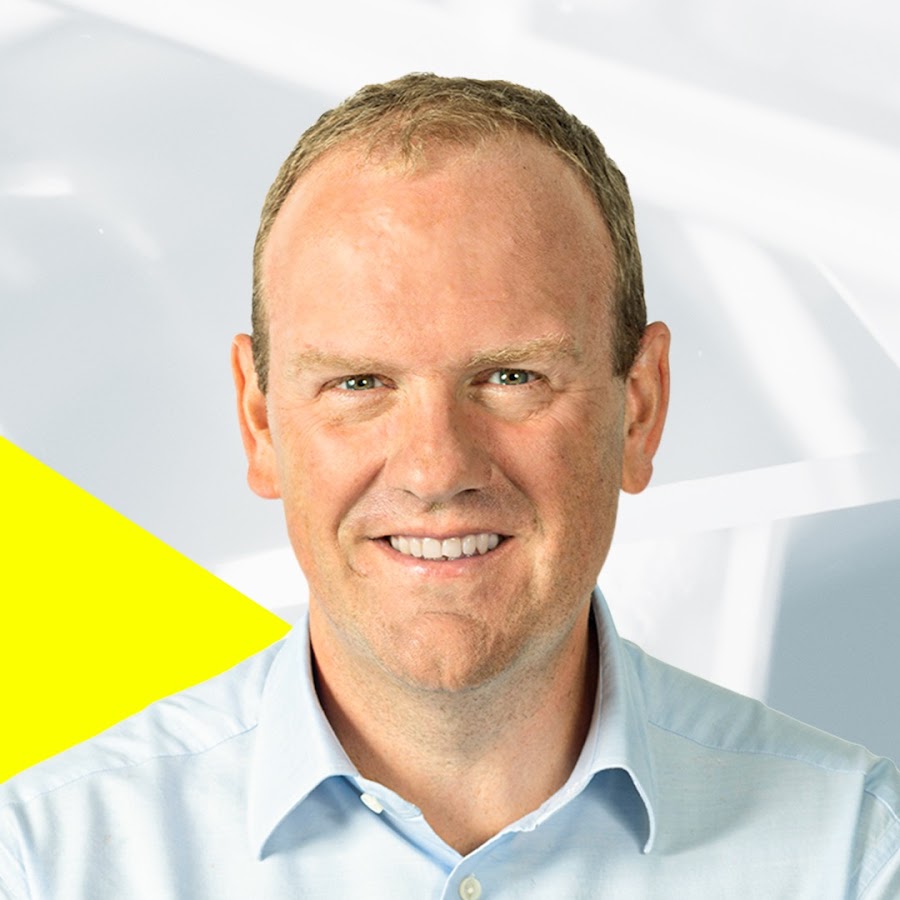 Steven Van BelleghemCX author & keynote speaker
International keynote speaker and author of bestselling books on customer experience, including When Digital Becomes Human and Customers the Day After Tomorrow.
LinkedIn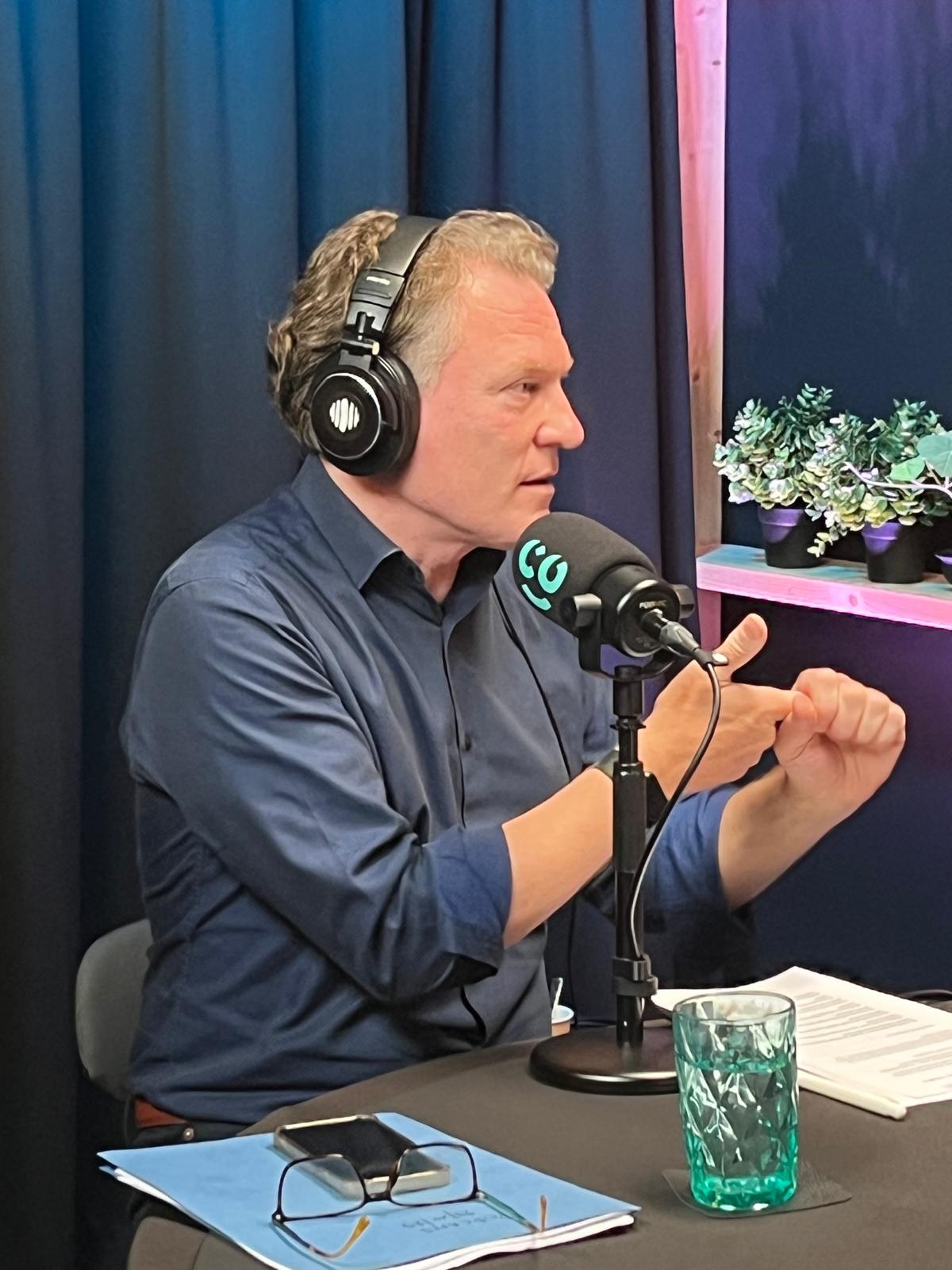 Bram De VosCEO, Hello Customer
Your host of CX Matters, the webinar and podcast series powered by Hello Customer, where every episode looks at one idea: the way you treat your customers shapes the way your business grows.
LinkedInDoes efficiency make customer experience less human?
As companies become more efficient, and efficiency is the holy grail, do they risk becoming less human?
Service is getting faster, smarter and more automated. Bots and online platforms let customers do more on their own, which feels liberating one day and like being abandoned the next. This episode of CX Matters looks at what that shift does to the trust between companies and their customers.
The answer that runs through the conversation: technology can make service fast and frictionless, and trust is still earned at a handful of specific moments. Those moments usually cost the company something.
Trust is tested at the pressure points
When everything goes well, it is super easy to be customer-centric. When things go south, you prove what you are really worth.
Steven Van BelleghemCX author & keynote speakerAre you willing to hurt yourself in the short term to build trust in the long term?
Almost every company intends to be customer-centric. What that intention is worth shows at the pressure points: under market pressure, or when the customer's interest and the company's interest collide.
That is why the sharpest question for a leadership team is whether it will accept a short-term cost to earn long-term trust. It sounds simple. In practice, most organisations answer it the other way.
Sleeping accounts, and a bun at 95%
What does that choice look like in a real company?
Telecom operators are a telling example. Many carry a slide saying they are customer-obsessed, and many also have sleeping accounts: customers who put a SIM card in an iPad, forgot about it and still pay a monthly fee hidden in a less than transparent invoice. The customer has forgotten. The telco knows.
A telco leader has three options. Let the account sleep, which is perfectly legal. Call the customer and ask how to proceed. Or call and offer to refund the fees for a service that was never used. Most let them sleep, and that quiet choice is why customers end up leaving.
The opposite choice exists. In 2018, In-N-Out Burger closed all 37 of its Texas restaurants for a day over a bun quality problem, with no food safety issue involved. In the episode the buns are described as being at 95% of the standard, against a promise of 100% quality. The chain that seems to throw money away on a principle is, in the episode's account, also one of the most profitable in its industry, with an average restaurant doing about twice the revenue of an average McDonald's.
Why customers distrust a well-meant call
When telcos did call their sleeping accounts, how did customers react?
A few operators changed course after hearing these examples and called those customers to ask what they wanted. The reaction surprised them: many customers said everything was fine and asked to be left alone.
The telcos read that as indifference. The better reading is distrust. A customer who gets an unexpected call from their provider assumes there is a catch and wonders what is about to be sold. A gesture only builds trust if the customer believes it, and that belief is built over years of small moments. Without it, even a refund offer gets turned away.
Micro ROI negative: the cup, the fire and the new car
I am a big fan of doing micro ROI negative things that have a positive impact on your overall ROI.
Steven Van BelleghemCX author & keynote speakerWhat does it mean to be "micro ROI negative"?
Micro ROI negative actions cost money on their own and raise the company's overall return. Every company exists to make money, and the more the better. The trap is demanding that every single euro invested pays back immediately, because then the obvious good things stop happening.
The best-known example is the Stanley cup. In November 2023 a TikTok video showed a car destroyed by fire, with a Stanley tumbler inside that still had ice in it. Stanley's president answered with his own video, promising new products and a replacement car, and the company delivered the car. The goodwill and attention that followed were worth far more than the car.
Most companies never get there, because an idea like that tends to die in three sentences. "Let's have a meeting about this." "I love the idea, but let me be the devil's advocate." "Let's just check with legal." That is how good ideas get killed: one reasonable-sounding sentence at a time.
The broccoli problem: not every gesture needs an ROI
Do you really need to calculate the return on everything you do?
Nobody can calculate how many extra days a child lives because of the broccoli they eat. Parents serve it anyway. Customer experience works the same way: much of what builds loyalty is real and hard to put a number on. Bram De Vos calls this the broccoli problem.
The habit of calculating everything before speaking up is ingrained even in young employees, who hold back good ideas because legal or finance might object. Fear of mistakes does the rest. Chewy, an online pet retailer, sends a small gift and a handwritten card when a customer's dog dies, and is described in the episode as the only company in its industry that does so. Other companies hesitate: what if they do it for one customer, forget the neighbour and upset them? So they do nothing at all.
It is the same reasoning as the 95/5 rule: something may go wrong in 5% of cases, and avoiding that risk means never doing the right thing for the other 95%.
Intuition, and the theme park nobody should have bought
Have companies forgotten the power of intuition?
Most decisions people make in their private lives, from raising children to choosing a partner, rest on intuition. Only afterwards do people look for facts that support what they already decided, a pattern Daniel Kahneman's work on decision-making describes. Companies often do the reverse: only certain, risk-free decisions get made, and the result is blandness and mediocrity.
The story of Studio 100's first theme park shows the alternative. Studio 100 bought Meli Park in De Panne at the end of 1999 and reopened it as Plopsaland in 2000. Consultants had advised against it. The park sat at the far edge of Flanders, half of the area around it was in France where the brand was unknown, the park was old and needed heavy investment, and few families from the east of the country would drive two hours to reach it. The founders bought it anyway, and by the episode's account it became the most successful of their parks.
Sometimes leaders have to trust their own strength and vision, and then do everything in their power to make it work.
When great service becomes a commodity
As service gets automated and frictionless, will all companies start to look the same?
Technology is very good at one thing right now: turning great service into a commodity. Easy-to-use tools give a one-person company roughly the same service capabilities as a company of a thousand people, at a similar price. Once something becomes a commodity, it loses its value.
Photography and mail went the same way. When a roll of film held 12 pictures, every shot mattered; today a single picture is worth almost nothing. Two letters a day used to be exciting; two hundred emails a day are not. Customer service is heading the same way: available 24/7, in every language, with zero friction. Companies will need it as basic hygiene, and it will stop setting anyone apart.
Connection beats perfection
Once you reach perfection, connection becomes more important than perfection.
Steven Van BelleghemCX author & keynote speakerIf service stops being a differentiator, what still sets a company apart?
When great service is a commodity, the differentiator is the strength of the relationship with customers, and that strength comes from connection: moving people and turning customers into ambassadors.
Companies used to have shortcuts to success, such as advertising or being slightly better at service than the competition. AI removes many of those shortcuts. What remains is whether people want to belong to a brand and its community, and are proud to buy from it.
From brands to communities
Can people feel that kind of belonging towards a bank or an insurer?
They can, and the competition may come from outside the industry. In February 2026, MrBeast's company Beast Industries bought Step, a money app for teenagers and young adults, with the mission of teaching his audience the financial basics he never learned. A creator with hundreds of millions of subscribers does not need to convince his community to trust a bank. The community already trusts him.
Established companies cannot become MrBeast, but they can make the same shift: from selling products to becoming a partner in people's lives. The question changes from "how many products can we sell?" to "how do we help our community succeed?" A bank that opens with "how can we contribute to your success as an entrepreneur?" stands somewhere very different from one that opens with "do you need a loan?"
The customer has the AI superpower too
What happens when customers use AI as much as companies do?
Companies like to call AI their superpower. Customers now have the same superpower. A customer can tell an AI agent to switch mobile provider as often as needed to get good coverage at the lowest price anywhere, using eSIMs. The barrier to switching drops close to zero, and the agent does the work while the customer sleeps.
That leaves three forces competing for every customer: transactional perfection, a feeling of deep belonging, and cheap alternatives found by agents. Many incumbents are investing in AI mostly for efficiency and productivity, and forget that customer behaviour is changing faster than they are. Trust remains the key, because customers can find everything else anywhere.
Elevator attendants and doormen
Which jobs will automation remove, and which will it make more valuable?
The elevator attendant is the classic example of a job automation removed. In the 1930s it was one of the most envied jobs in New York. Then the automatic elevator arrived, and by the 1970s the job had disappeared. The usual conclusion is that when automation comes in, the human disappears.
| Role | What automation does | What happened to the role |
|---|---|---|
| Elevator attendant | The automatic elevator does the whole job | The job had disappeared by the 1970s |
| Hotel doorman | Automatic doors open every time someone approaches | Doormen remain, because they add security, trust, a welcome and help with bags and parking |
Hotels show the other side. Automatic doors work perfectly, and doormen are still there, because the doorman brings more than an open door. For years, "keeping the human touch" meant making sure a human was physically present. That will no longer be enough. The bar for humans will be higher, because automation will be really good.
Every organisation can ask which of its roles are elevator attendants and which are doormen, and what its doormen add beyond being there.
This article is an edited summary of the conversation. For every word, watch the full episode in the video above, or click a section title to jump to that moment.
Questions this episode answers
What does it mean to be micro ROI negative?
Micro ROI negative describes actions that lose money on their own but raise a company's overall return, such as Stanley replacing a customer's car after her tumbler survived a car fire. Demanding an immediate payback on every euro stops companies from making these gestures.
Why do customers distrust companies that offer to help them?
Trust is built over years of small moments. When telecom operators called customers with forgotten sleeping subscriptions, many asked to be left alone, because they assumed the call came with a catch.
Will AI turn customer service into a commodity?
This episode argues it will. Easy AI tools give small and large companies similar service at a similar price, so fast, friendly 24/7 service becomes basic hygiene, and the relationship with the customer becomes the differentiator.
What is the difference between an elevator attendant and a doorman in customer experience?
The elevator attendant disappeared because automation did the whole job. The doorman stayed because he adds security, trust and a welcome. Companies should know which of their customer-facing roles are which.
How can a traditional company build a sense of belonging with customers?
By moving from selling products to helping customers succeed. A bank that starts from "how can we contribute to your success as an entrepreneur?" builds a different relationship from one that leads with a loan offer.